
AYUB OGADA
The story goes that I was in Camden Market one sunny day in the late nineteen-eighties, when I heard a Siren song drifting on the breeze. I followed the music to a busker on the canal towpath. Wearing a colourful African robe, he was playing a crude lyre.
At the time, I was retained by JVC Victor Records in Japan to coordinate an album by gifted multi-instrumentalist, Yasuaki Shimizu. A virtuoso on many instruments, Yasuaki was a particularly renowned saxophonist. He had played with Miles Davis, The Yellow Magic Orchestra, Ryuichi Sakamoto and many others. I was tasked with booking recording studios. Finding a producer. Hiring engineers and session musicians. Sorting out work permits. Drafting contracts. The full shebang.
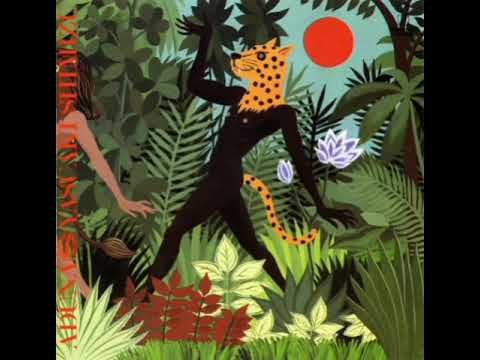
Yasuaki Shimizu. Aduna
Yasuaki had recently been bitten by the World Music bug. I enlisted Wasis Diop, a Senegalese singer based in Paris, but was struggling to find backing musicians. I approached the busker and explained that I was producing a Japanese artist in London and would like to arrange a meeting. I gave him my business card.
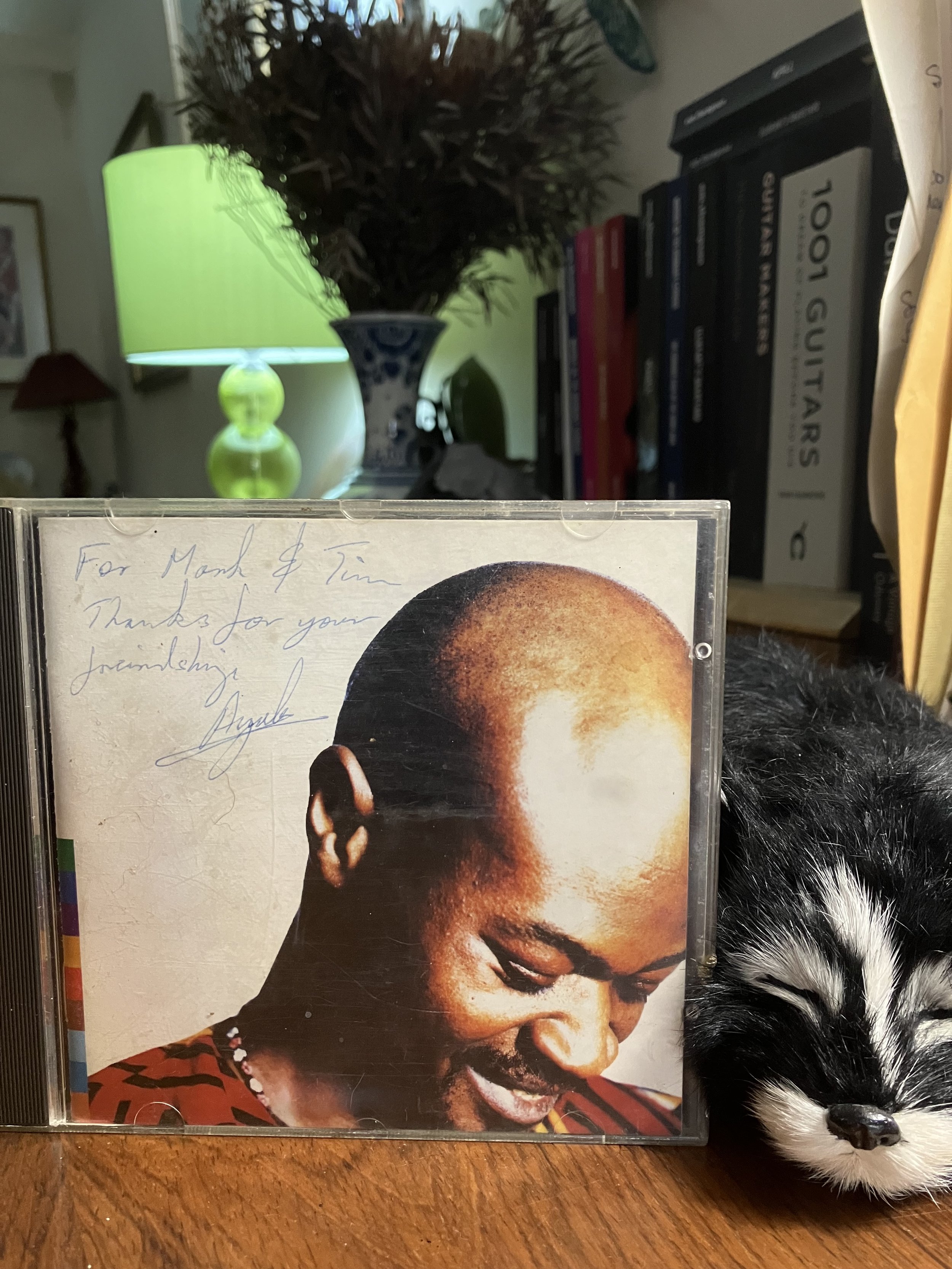
The busker said his name was Ayub Ogada, a recent arrival from Kenya. He jotted his address and phone number on a cigarette packet.
I phoned Ayub the following day. ‘I’ll get back to you,’ he said.
Not willing to take no for an answer, I told Ayub I would collect him and take him to the recording studio. When the situation demands, I can be persistent.
Ayub gave me a potted history as we drove.
Ayub’s father was a doctor. For a time, the family lived in the States. Chicago. That was why Ayub spoke with a soft American accent. The family returned to Nairobi when he was in his teens. He played bass in various rock bands before discovering the traditional music of his Luo ancestors. He became a virtuoso on the Nyatiti, an eight-string lyre. Roughly translated, Nyatiti means daughter of the clan.
The artist, Yasuaki Shimizu, the producer, Richard Mainwaring, the engineer, and I listened, transfixed, as Ayub performed songs of innocence and experience from another land. It was as close to a spiritual experience as I am likely to get.
Ayub and I became close friends. We shared bread. We shared adventures. We shared music. A brotherly bond was forged.
Sometime later, Peter Gabriel saw Ayub perform at a music festival. He signed Ayub to his Real World record label. The resulting album, En Manu Kuoyo, was a critically acclaimed tour de force.
Lionel Richie heard the CD. He flew Ayub to New York to sing backing vocals on his latest album. Can’t say I was surprised. Ayub’s voice sent shivers down my spine. Husky. Intimate. Expressive. A gift from the Luo gods.
Ayub went on to tour Europe with Peter Gabriel. His music reached millions. Moved hearts. It was to prove a great comfort to me in years to come.
Tracks from En Manu Kuoyo were featured on the soundtrack of the movie, The Constant Gardener. Ayub was nominated for an Oscar. Best Original Musical Score. He was proud. He had been one of Kenya’s foremost motion picture actors before moving to England. His most prominent role had been in Out of Africa. The gun-bearer and Masai warrior assistant to Robert Redford’s character, Denys Fitch-Hatton. He took a starring role in The Kitchen Toto, a British drama set in nineteen-fifties colonial Kenya.
Ayub once accompanied me to my parents’ house for a traditional English Christmas. I remember it well. After a slap-up festive dinner with all the trimmings - turkey, a flaming figgy pud, crackers - we retired to the music room to roast chestnuts on an open fire. There was a seasonal chill in the air.
We had a game of Scrabble. Just the one. My father was the most infuriating Scrabbler I have ever known. He would put down an obscure word. My mother, Dottie, would look it up in the dictionary and shake her head. Edward would go next door to the library. Come back with an obscure eighteenth-century tract. Sure enough, there the word would be. Possibly the only time it had been committed to print.
Once Scrabbled with my father, forever shy.
We roasted chestnuts, drank mulled wine and nibbled mince pies. Dottie suggested we listen to some music. She was an avid opera fan, so the wireless was always tuned to the classical station, Radio Three. The room was filled with gentle music. Haunting. Thoughtful. Melodic. Meditative. Inspiring.
Dottie sat in silence. When the song came to an end, she sighed. ‘How beautiful. Any idea who it was?’
‘Guilty.’ Ayub buffed his fingernails on his jacket lapels. Never had I seen such a smug smile.
Of all the music, of all the people, of all the places, of all the days, what are the odds? I can only think there must have been a guiding force. A greater purpose.
Ayub became ill. Distrustful of Western medicine, he returned to Kenya, where he was lauded as a national icon. He married. Moved to the countryside. Led a humble life.
Ayub’s obituary recounts how he came home one afternoon after butchering a goat. He told his wife not to prepare any dinner for him. He sat down in his usual chair. He fell asleep. He died. A poetic end to a poetic life.
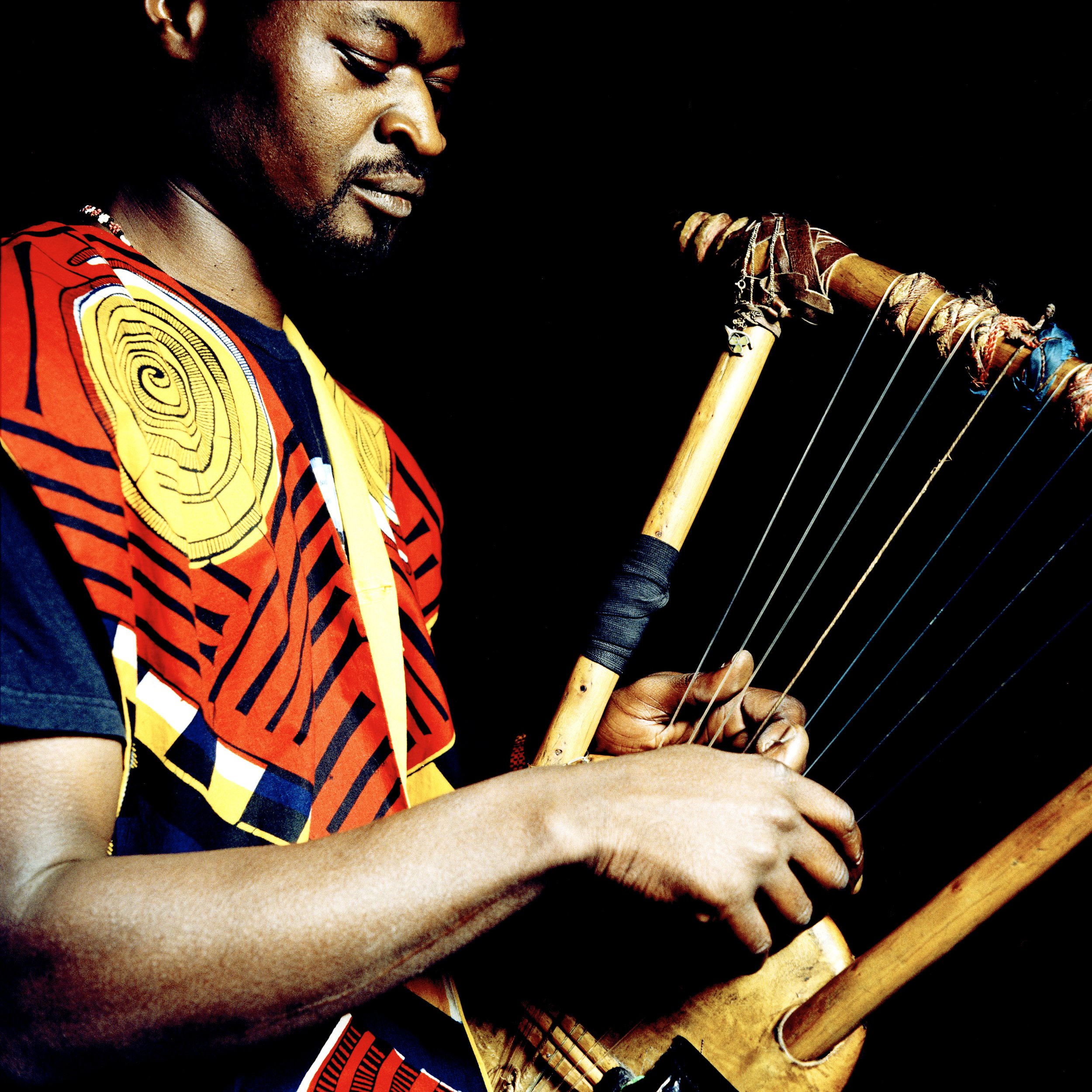
When I close my eyes, I often see Ayub’s gentle smile. Hear his husky voice. Feel his aura. I hope I always will.
My soul brother.